
Intergenerational Family Therapy & EMDR
Relational Ethics and the Invisible Legacies We Carry
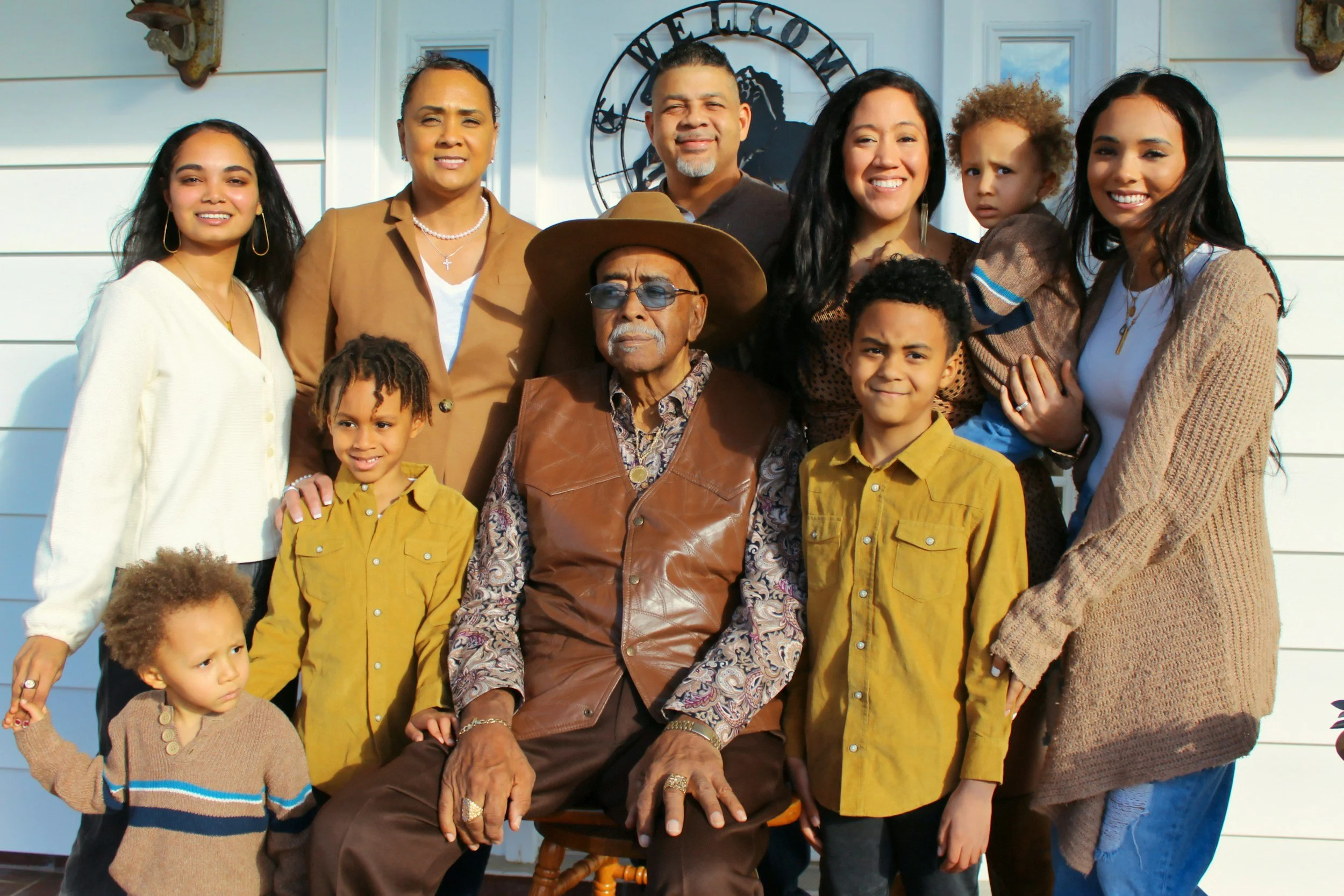
Contextual Therapy reminds us that relationships are shaped not only by attachment and emotion, but also by fairness, reciprocity, trust, and responsibility across generations.
From this perspective, emotional suffering does not emerge in isolation. People are shaped within relational systems where love, loyalty, sacrifice, injustice, and emotional burden are often carried across time in ways that may remain largely unspoken.
When relational balance has been repeatedly disrupted through neglect, betrayal, parentification, abandonment, or emotional deprivation, the effects may continue to live within both the nervous system and relational patterns long after the original experiences occurred.
Rather than viewing symptoms purely as pathology, this lens invites therapists to consider how distress may also reflect attempts to maintain connection, loyalty, belonging, or survival within family systems.
Relational Ethics
Exploring fairness, loyalty, and emotional balance within trauma and attachment systems.
The Invisible Loyalties That Shape Us
At times, clients may carry unconscious loyalties toward parents, caregivers, or previous generations. These loyalties can influence relationships, identity, self-worth, and emotional functioning in ways that are not always immediately visible.
A client may struggle to move beyond suffering, success, closeness, anger, or grief because doing so unconsciously feels disloyal to those who came before them. What appears resistant, self-sabotaging, or confusing may at times reflect an attempt to remain emotionally connected to a wider family story.
Within EMDR therapy, these dynamics can deepen our understanding of target memories, blocking beliefs, and recurring relational themes. Processing may begin to unfold not only around individual events, but around inherited emotional burdens, unresolved grief, or longstanding family expectations carried internally across generations.
Destructive Entitlement
When people do not receive fairness or love in relationships, they may act out entitlements in damaging ways toward others or themselves.
Applying to EMDR:
Target memories of neglect or injustice where the client internalised unworthiness.
Helps explain patterns of repeated trauma or “acting out” behaviours.

Beyond Behaviour
Exploring destructive patterns through the lens of unmet attachment and relational fairness.
Ledger of Give-and-Take : "The Family Ledger"
Families keep a psychological balance sheet of who owes what to whom emotionally, materially, relationally.
In EMDR:
Explore burdens clients carry on behalf of family (e.g., “I owe it to my mother to suffer too”).
Can shape Phase 1 history taking or inform parts work during processing.
Multi-directed Partiality
The therapist maintains empathic understanding for all family members' perspectives, even if only one is present. This builds trust and promotes healing across generations.
Applying to EMDR:
Helps therapists regulate their own countertransference and hold systemic complexity during processing.
Use this stance to model empathy toward internal parts or “family ghosts.”

Holding the Whole System in Mind
Using empathy and systemic awareness to deepen EMDR processing.
Exoneration
The process of restoring fairness in relationships through insight, rebalancing, or forgiving. Not to excuse harm, but to free oneself from the emotional entanglement.
In EMDR:
Target sequences that help clients release guilt or rage while restoring a sense of balance (e.g., interweaves guiding them toward understanding or releasing inherited burdens).
Transgenerational Transmission
Unresolved emotional legacies, trauma, and ethical violations pass from generation to generation unless acknowledged and repaired.
In EMDR:
Phase 1 history can include genograms or legacy burdens.
Clients can process "inherited trauma" through parts work or symbolic targets, even without clear episodic memories.
An invitation to slow down and explore what emerges beneath the protocol……
References:
Boszormenyi-Nagy, I., & Krasner, B. R. (1986). Between Give and Take: A Clinical Guide to Contextual Therapy
Siegel, D. J. (2012). The Developing Mind: How Relationships and the Brain Interact to Shape Who We Are (2nd ed.